
Exploring the Benefits of Western Horse Riding
Horse riding is not just a sport; it’s a way of life for many enthusiasts around the world. Among the various styles of riding, Western horse riding stands out for its unique techniques and cultural significance. This blog post delves into the numerous benefits of Western horse riding, from physical fitness to emotional well-being, and how it fosters a deep connection between horse and rider.

Understanding Western Horse Riding
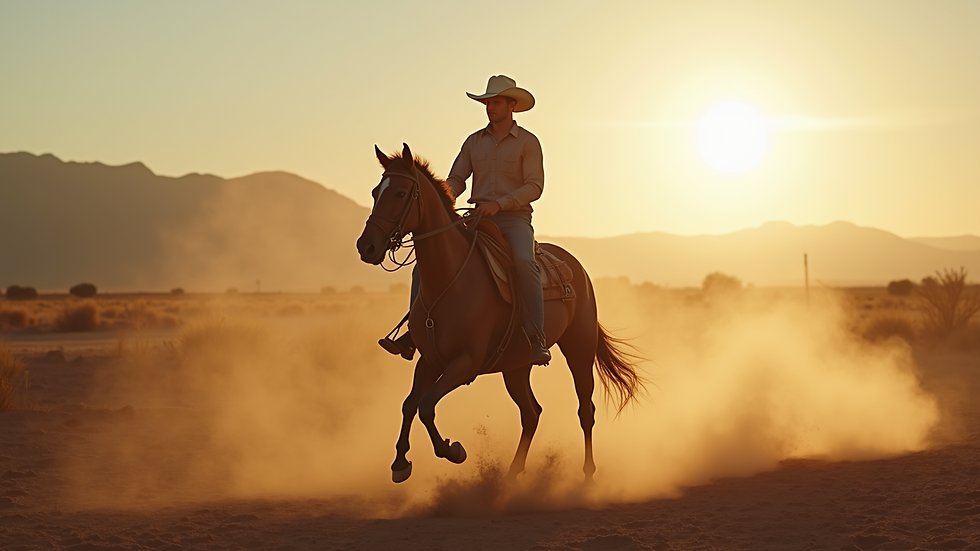
Western horse riding originated from the working practices of cowboys in the American West. It emphasizes a relaxed and natural riding style, which is evident in the equipment used, such as the Western saddle and bridle. Unlike English riding, which often focuses on precision and formality, Western riding promotes a more casual approach, allowing riders to connect with their horses in a more intuitive way.
Key Characteristics of Western Riding
Saddle Design: The Western saddle is larger and heavier than its English counterpart. It features a horn, which is used for securing ropes when working cattle.
Riding Style: Riders sit deeper in the saddle, which provides better stability and control, especially during fast movements.
Gaits: Western riding often incorporates unique gaits such as the lope and jog, which are smoother and more comfortable for long rides.
Physical Benefits of Western Horse Riding
Engaging in Western horse riding offers a variety of physical benefits that contribute to overall health and fitness.
Improved Core Strength
Riding requires significant core engagement to maintain balance and posture. As riders navigate different terrains and gaits, they develop stronger abdominal and back muscles. This improvement in core strength can lead to better posture and reduced back pain in everyday life.
Enhanced Coordination and Balance
Western riding demands a high level of coordination and balance. Riders must synchronize their movements with the horse's actions, which enhances their overall motor skills. This skill is not only beneficial in riding but also translates to other physical activities and sports.
Cardiovascular Health
Regular riding sessions can provide a solid cardiovascular workout. The physical effort involved in controlling the horse, especially during faster gaits, elevates the heart rate and promotes cardiovascular fitness. This can lead to improved stamina and endurance over time.
Emotional and Mental Benefits
Beyond the physical advantages, Western horse riding offers significant emotional and mental health benefits.
Stress Relief
Spending time with horses has been shown to reduce stress levels. The rhythmic motion of riding, combined with the serene outdoor environment, creates a calming effect. Many riders find that their worries fade away as they focus on the connection with their horse.
Boosted Confidence
Mastering riding skills and building a bond with a horse can greatly enhance self-esteem. As riders progress, they gain a sense of accomplishment that translates into other areas of life. This boost in confidence can be particularly beneficial for children and adolescents.
Therapeutic Effects
Equine therapy is a recognized form of treatment for various mental health issues, including anxiety and depression. The bond formed between horse and rider can provide emotional support and a sense of purpose. Many individuals find solace in the companionship of their horse, which can be incredibly therapeutic.
Building a Connection with Your Horse
One of the most rewarding aspects of Western horse riding is the deep bond that develops between horse and rider. This connection is built on trust, communication, and mutual respect.
Understanding Horse Behavior
To foster a strong relationship, riders must learn to understand horse behavior. This includes recognizing body language, vocalizations, and other signals that indicate how a horse is feeling. By developing this understanding, riders can respond appropriately, enhancing the bond they share.
Training Techniques
Training in Western riding often emphasizes positive reinforcement. This approach encourages horses to learn through rewards rather than punishment, leading to a more trusting relationship. Riders who invest time in training their horses often find that their bond strengthens, resulting in a more enjoyable riding experience.
Social Benefits of Western Horse Riding
Western horse riding is not just an individual activity; it also offers numerous social opportunities.
Community Engagement
Many riders become part of local riding clubs or organizations, fostering a sense of community. These groups often host events, competitions, and social gatherings, allowing riders to connect with others who share their passion for horses.
Lifelong Friendships
The shared experiences of riding and caring for horses can lead to lasting friendships. Many riders form strong bonds with fellow enthusiasts, creating a supportive network that enhances their riding journey.
Family Activities
Western horse riding can be a fantastic family activity. Families can bond over riding lessons, trail rides, and horse care, creating cherished memories together. This shared interest can strengthen family ties and promote teamwork.
Getting Started with Western Horse Riding
If you’re interested in exploring the world of Western horse riding, here are some steps to help you get started.
Find a Local Riding School
Look for riding schools or stables in your area that offer Western riding lessons. Many facilities provide beginner classes that focus on the fundamentals of riding and horse care.
Invest in Proper Gear
While it’s possible to rent equipment initially, investing in your own gear is recommended for comfort and safety. Essential items include a Western saddle, bridle, riding boots, and a helmet.
Take Your Time
Learning to ride takes patience and practice. Focus on building a solid foundation of skills before attempting more advanced techniques. Enjoy the journey and celebrate your progress along the way.
Conclusion
Western horse riding is more than just a hobby; it’s a lifestyle that offers numerous benefits for physical health, emotional well-being, and social connections. Whether you’re looking to improve your fitness, relieve stress, or build lasting friendships, Western riding has something to offer everyone. So saddle up and embark on this rewarding journey with your horse!
By embracing the world of Western horse riding, you not only enhance your own life but also create a meaningful bond with one of nature’s most majestic creatures. Take the first step today and discover the joys that await you in the saddle.

Comments